
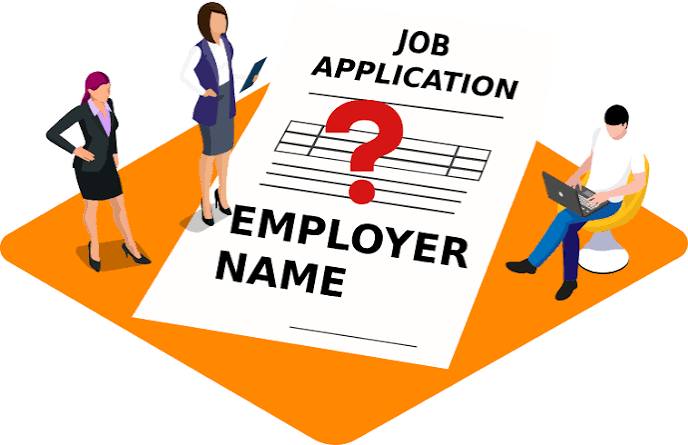

At its core, employer name meaning usually refers to the official name of the organization that hires you or appears on a document. It can be the legal business name, the brand name customers know, or the name of a division within a larger company. That distinction matters because not every company presents itself the same way across job applications, tax forms, offer letters, and HR systems.
In everyday language, people may ask about the employer name meaning when they are trying to understand who is actually behind the job. For example, a person might see a familiar retail brand on a storefront but a different corporate name on the paycheck. That does not mean anything is wrong. It simply reflects how companies are structured. Knowing this helps applicants avoid confusion and gives them a clearer picture of the organization they are joining.
Why the phrase matters in hiring and job applications
The job market has become more candidate-driven, and that has made details like employer name meaning more important than ever. Applicants often compare companies before they apply, and they do not just look at salary. They look at stability, reputation, culture, and growth. The name attached to an opening can influence whether someone clicks, applies, or keeps scrolling. In that sense, the name acts like a headline for the company itself.
For recruiters, the same principle applies from the other side. A clear and consistent employer identity can reduce confusion and build confidence early. If a posting uses one company name, the offer letter another, and the payroll provider another, candidates may hesitate. That is why employer name meaning is tied closely to candidate experience, employer branding, and trust. In a competitive market, clarity is not a luxury. It is part of the hiring strategy.
How company branding changes the meaning
One reason employer name meaning can feel complicated is that companies do not always use one single name. Some operate under a corporate legal name, while others use a brand name that is more recognizable to the public. A business may also use a DBA, or “doing business as” name, which is different from its registered entity. For workers, that can be confusing at first, but it is normal in modern business.
This is where branding becomes important. A name is not just a label. It carries history, tone, and reputation. When people search for employer name meaning, they may actually be trying to understand the company’s identity story. What does the name suggest? Does it sound established, modern, local, or global? Does it match the culture the employer wants to project? Those questions shape how applicants and customers view the business before they ever meet anyone inside it.
The legal and administrative side people often miss
Behind the hiring process, there is a legal layer that many people overlook. The employer name meaning on a form can point to the entity that is responsible for payroll, taxes, and compliance. That is why offer letters, W-2 forms, background checks, and benefit documents may show names that differ from the logo on a website. The legal name is often the one that matters most for official records.
This matters because accuracy protects both sides. A job seeker needs the right company details for employment verification, and the employer needs consistency across systems. In the United States, where multiple business structures are common, a single organization may appear in different ways depending on the document. So when people ask about employer name meaning, they are often asking a practical question: who, exactly, is employing me, and which name should I trust on paper?
Common mistakes people make when they see the label
A common mistake is assuming that the visible brand is always the legal employer. That is not always true. A person may work for a restaurant chain, a tech platform, a warehouse operator, or a franchise and still be employed by a separate company behind the scenes. This is one reason employer name meaning can trigger confusion. The name on the storefront is not always the same as the name on the paperwork.
Another mistake is ignoring small differences in spelling or structure. A company might include “Inc.,” “LLC,” or a regional division name that looks minor but matters legally. Job seekers sometimes miss these details because they are focused on pay or schedule. Still, those details can affect onboarding, tax forms, and verification later. Understanding employer name meaning helps people slow down, read carefully, and avoid surprises after they accept a role.
Why this matters more in a digital hiring world
Remote work and online recruiting have made employer name meaning even more visible. Today, applicants often meet a company first through a search result, a LinkedIn page, or a job board listing. They may never walk into a physical office before applying. That means the name has to do a lot of work. It must communicate legitimacy, identity, and sometimes even geography in a single glance.
Digital hiring also creates more room for comparison. Candidates can quickly check reviews, look up the business, and compare one employer against another. If the name on the job ad does not match the name on the website or application portal, doubts can appear fast. In that environment, employer name meaning becomes part of digital trust. Companies that present a clean, consistent identity are often easier to understand, easier to verify, and easier to remember.
What the future of employer naming may look like
The future of employer name meaning will likely be shaped by transparency. As workers ask better questions, companies will need to explain their structures more clearly. That may mean better job descriptions, clearer legal names, and more visible brand-to-entity connections. In practical terms, candidates will expect to know who they are working for before they sign anything. The days of vague or hidden employer identities are fading.
There is also a bigger trend at work: people want meaning, not just labels. A company name now signals values, size, industry, and even workplace style. In the years ahead, employer name meaning may become even more important as artificial intelligence, remote recruiting, and platform-based hiring continue to grow. Companies that treat naming as part of communication, not just administration, will likely stand out. The name will still be one word, but the message behind it will carry much more.
Why readers should pay attention now
The reason this topic deserves attention is that small details often decide big outcomes. A name can influence whether a candidate applies, whether a worker trusts the paperwork, and whether a company feels credible at first glance. That is the real value behind employer name meaning. It is not just about grammar or forms. It is about identity, clarity, and confidence in a hiring world that moves fast.
If you are job hunting, reviewing an offer, or comparing employers in the United States, pause and read the name carefully. Ask which entity is hiring you, which brand you recognize, and which legal name appears on the document. That habit can save time, reduce confusion, and strengthen your decisions. In a market where details matter, understanding employer name meaning is one of the simplest ways to stay smart, informed, and prepared.
You may also read
https://docs.google.com/document/d/1z200qFezv9ECUd6igMkgLgnx-wUebMTX2wg0ryjzBk8/edit?usp=sharing