
The small card that refuses to disappear
In a year crowded with QR codes, AI tools, and endless digital noise, one old-school tool is quietly getting a fresh pulse: the business card. The surprise is not that people still use it. The surprise is how much smarter it has become. VistaPrint business cards are now sitting at the center of a bigger shift, where brands want something physical, memorable, and instantly shareable in the same breath. That mix of emotion and practicality is exactly why the format is suddenly hard to ignore.
The timing matters. The U.S. small-business economy remains huge, with 36.2 million small businesses accounting for 99.9% of all U.S. businesses, and Census data show business applications in June 2026 at 531,423, with projected formations of 29,741 within four quarters. In other words, entrepreneurship is still moving, and every new founder needs a fast way to make a first impression that feels real, not disposable.
Why small business growth keeps the format relevant
That wave of new and growing companies explains why VistaPrint business cards keep showing up in conversations about marketing basics. Small businesses are not just looking for decoration. They want a tool that works at a trade show, in a client meeting, after a networking lunch, or tucked into a product order. VistaPrint says it has helped millions of businesses create custom cards, and that scale reflects a simple truth: when entrepreneurs are moving quickly, they still need something tangible to leave behind.
There is also a budget story behind the comeback. VistaPrint’s standard business cards start at 50 for $10, with quantities ranging from 50 to 10,000+, plus options such as glossy, matte, uncoated, premium paper, rounded corners, embossed gloss, and foil accents. For a small business owner balancing ad spend, software subscriptions, shipping, and inventory, that kind of entry point makes print marketing feel less like a luxury and more like a smart staple.
What buyers are really asking for now
The latest preference signals are clear: people still want cards that look clean, read fast, and feel premium. VistaPrint’s own survey found that clean layouts lead at 62%, brand visibility at 55%, and premium materials at 41%. That is a strong clue that the modern card is not about stuffing in every detail. It is about making one simple impression feel deliberate, confident, and polished.
That is where VistaPrint business cards have an advantage. The company’s templates let users sort by industry, style, shape, and layout, then add text, logos, images, and even a 3D preview before ordering. The overall direction is easy to see: buyers want a process that is fast enough for busy owners, but flexible enough to create something that looks like a real brand asset instead of a generic print job.
QR codes, NFC, and the new print-plus-digital blend
The biggest change in business cards is not a design trend. It is a behavior change. VistaPrint says business cards will stay relevant in 2026, but their role is evolving as QR code cards become mainstream, NFC cards emerge as a premium option, and virtual cards gain traction in digital-first fields. That means the modern card is no longer competing with the phone. It is feeding the phone.
That shift matters because the best networking moment now often starts offline and finishes online. VistaPrint business cards can include a QR code or other digital touchpoint, which turns a simple exchange into a bridge to a website, portfolio, booking page, or profile. For service providers, consultants, realtors, creators, and local brands, that bridge is often the difference between a nice chat and a real lead.
The design details that still separate winners
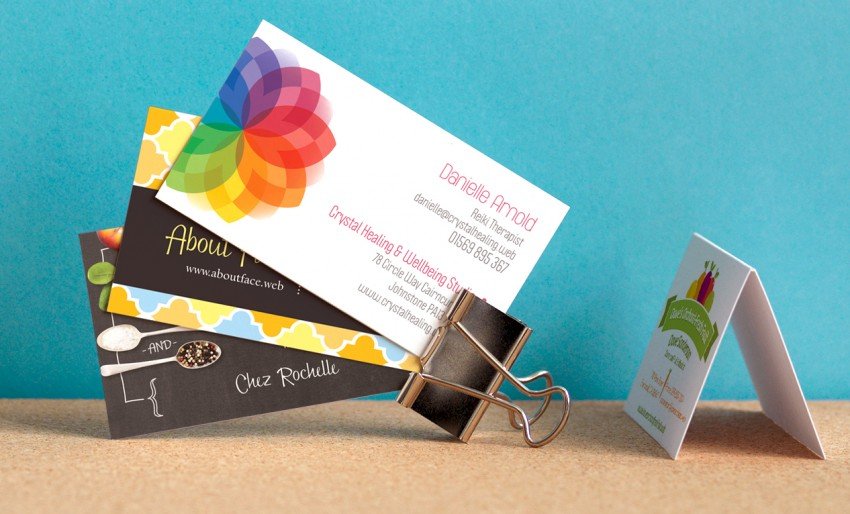
The old rules still matter. Most cards still center on a name, business name, logo, and contact details, while optional additions like taglines, images, artwork, and QR codes can strengthen the message when used well. VistaPrint also notes that horizontal layouts remain traditional, but vertical designs are now a popular modern option. The lesson is simple: design is not only aesthetic. It is part of the sales pitch.
Paper weight and finish also matter more than many owners realize. VistaPrint says standard business card printing uses 14pt stock, while ultra-thick cards reach 28pt and premium plus cards come in at 18pt. The brand also highlights embossed gloss and foil accents as ways to create extra visual impact. In a crowded room, those physical details can quietly do what digital ads often struggle to do: make someone pause, touch, and remember.
Why VistaPrint is positioned in the middle of the trend
VistaPrint has spent years framing business cards as a practical branding tool, not just a print product. Its business card pages emphasize low-cost ordering, user-friendly design tools, and quick customization, while its hub content leans into 2026 design trends such as metallic finishes, motif repeats, collectible cards, and translucent looks. That puts VistaPrint business cards in a strong position for buyers who want current style without having to become design experts.
The company’s broader positioning also fits the moment. VistaPrint says it has been serving small businesses since 1995, and its current platform includes ready-to-use templates, sample kits, multiple delivery options, and support for cards that can be shipped with standard, priority, or express timing. For a founder trying to move from idea to market quickly, that combination of convenience and customization is exactly the kind of friction reduction that matters.
What the next year could look like for business cards
The next phase looks less like a comeback story and more like a reinvention. As more businesses launch and more owners look for lean, memorable ways to market themselves, the card will likely keep evolving into a hybrid product: part identity piece, part digital gateway, part mini brand experience. If the 2026 trend pages are any clue, the winners will be cards that feel tactile, look intentional, and connect instantly to a digital follow-up.
That is the real reason VistaPrint business cards are getting attention again. They sit at the intersection of affordability, branding, and adaptability, which is exactly where small business marketing is heading. The businesses that stand out in 2026 will not be the ones that shout the loudest. They will be the ones that leave the clearest impression. Now is the time to refresh that detail, rethink that first touchpoint, and turn one small card into a bigger business moment.
You may also read
https://docs.google.com/document/d/1mz6TeXEFW0mKKkzi97atwKIq1VrMXgCMhYaxppZWWK0/edit?usp=sharing