
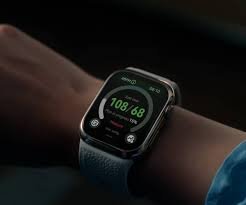

A smartwatch story that feels bigger than a gadget launch
The Huawei Watch D2 is not drawing attention because it is flashy. It is turning heads because it tries to do something most smartwatches still only hint at: make blood pressure tracking feel personal, wearable, and routine. In a market crowded with sleep scores, step counts, and wellness buzzwords, that alone makes the Huawei Watch D2 stand out. For U.S. readers, the catch is immediate and important: TechRadar reports it is not available in the U.S., even though it remains one of Huawei’s most talked-about health wearables globally. (TechRadar)
That gap between curiosity and access is part of the reason the Huawei Watch D2 keeps showing up in conversations about the future of wearables. It is not just another shiny rectangle on a wrist. It is a blood-pressure-first watch that feels closer to a health tool than a lifestyle accessory, and that makes it feel unusually relevant in 2026, when more consumers are asking for data that actually means something. (Huawei Consumer )
Why this watch feels different from the usual smartwatch crowd
At the center of the Huawei Watch D2 is ambulatory blood pressure monitoring, or ABPM, which Huawei says can run across a 24-hour cycle and calculate averages for the full day, daytime, and nighttime. The official product page describes an oscillometric method, an ultra-narrow wrist cuff, and a high-precision pressure sensor paired with Huawei’s TruSense system. Huawei’s support pages say the watch measures blood pressure at preset intervals over 24 hours and analyzes BP rhythm. (Huawei Consumer )
That matters because the Huawei Watch D2 is aiming at a more medical style of monitoring than the casual pulse-tracking most people expect from a smartwatch. Huawei says the device is CE-MDR certified as a medical device, and its product page references STRIDE BP recognition as well. In plain English, Huawei is positioning this watch as something more serious than a fitness toy, even if it still sits on the border between consumer tech and medical support. (Huawei Consumer )
The feature that keeps making headlines
The feature getting the most attention is still the Huawei Watch D2’s 24-hour blood pressure monitoring story. TechRadar called it a world first in its review, praising the watch as a credible option for tracking blood pressure over time. That kind of language is not used lightly in smartwatch coverage, especially in a category where many launches feel like minor software tweaks dressed up as innovation. (TechRadar)
This is also where the Huawei Watch D2 fits into a broader shift in wearables. Consumers are no longer impressed by health tracking that only counts steps and calories. They want signals they can understand and act on. Huawei’s ABPM approach gives the watch a clearer story than most rivals: it is not trying to measure everything, only to measure one high-value health metric more directly and across more of the day. That focus is why the device keeps resurfacing in smartwatch discussions. (Huawei Consumer )
What the design says about Huawei’s priorities
The Huawei Watch D2 also looks more refined than the original Watch D, which helps explain why it caught attention beyond the health-tech crowd. TechRadar noted that the D2 is thinner than the earlier model and looks more like an Apple Watch, while still keeping the unusual strap-based blood pressure setup that makes the product line distinctive. Huawei’s own page shows blue, gold, and black versions, with the watch face and strap styling designed to feel less clinical and more everyday-friendly. (TechRadar)
That said, the design still comes with a tradeoff. TechRadar’s review described the Huawei Watch D2 as bulky and said it lacks advanced smartwatch features compared with broader rivals. That is an important reminder for buyers: this is not the kind of watch that wins on app ecosystems or flashy extras. It wins on purpose. The watch feels built around one promise first, and everything else second. (TechRadar)
Battery life, compatibility, and the small details that matter
On battery life, Huawei says the Watch D2 can last up to six days under typical use, though that drops to about one day with ABPM enabled. That is a meaningful distinction for anyone judging the watch as a health tool instead of a simple smartwatch. If blood pressure monitoring is the main reason to wear it, battery expectations need to be reset from the start. Huawei also says the watch is compatible with both iOS and Android, which keeps it from being locked into one phone ecosystem. (Huawei Consumer )
The practical details go further. Huawei says the watch is compliant with IPX8 water resistance under IEC 60529:2013, and the product page lists strap sizes for different wrist circumferences. Those may sound like minor facts, but they matter in a wearable that depends on fit and measurement posture. A watch like this only works well if users wear it correctly, and Huawei’s own guidance emphasizes the importance of the right wrist size and the right measurement position. (Huawei Consumer )
Why U.S. readers should care even if they cannot buy it easily
For a U.S. audience, the Huawei Watch D2 is interesting for a slightly frustrating reason: it is a preview of where wearables may be headed, even if it is not on American shelves. TechRadar says the watch is not available in the U.S., and that limitation shapes how the device is discussed here. It becomes less of a shopping decision and more of a signal about the next chapter of health technology. (TechRadar)
That context also matters because blood-pressure-related smartwatch features are no longer niche science fiction. AndroidCentral noted in 2025 that users in Europe or Asia could already use Huawei Watch D2 blood pressure tracking, while Apple Watch hypertension alerts were getting attention in the same conversation. The market is moving toward stronger health claims and more medically framed features, and Huawei’s device is one of the clearest examples of that shift. (Android Central)
The bigger trend behind the Huawei Watch D2
The real story is not just the Huawei Watch D2 itself. It is what the watch says about consumer expectations in 2026. People are less excited by gadgets that merely show notifications and more interested in wearables that help them notice patterns in their own bodies. Huawei has leaned hard into that idea by making blood pressure the headline feature, then surrounding it with extras like 80-plus exercise modes, Bluetooth calling, and a 3-month HUAWEI Health+ offer in some markets. (Huawei Consumer )
That mix creates a very specific identity. The Huawei Watch D2 is not trying to be the most universal smartwatch in the world. It is trying to be the most serious blood pressure watch in the room. And in a wearables market that increasingly rewards specialization, that may be exactly why it continues to attract attention from reviewers, health-minded shoppers, and tech watchers looking for the next meaningful upgrade. (TechRadar)
What could happen next for this health-focused watch
Looking ahead, the Huawei Watch D2 could influence how other brands talk about health tracking, even if Huawei never gets full momentum in the U.S. market. If consumers keep rewarding devices that offer clearer health signals, more wearables will likely push beyond generic wellness scores and into more clinically inspired features. Huawei has already shown that a wrist-worn product can be designed around one high-value metric and still generate real excitement. (Huawei Consumer )
The most likely future is not that every smartwatch becomes a blood pressure monitor overnight. It is that more premium watches start borrowing the Huawei Watch D2 playbook: a stronger health focus, tighter sensor logic, more serious language, and a product story built around trust instead of novelty. For readers watching the wearable race closely, that is the real headline. The Huawei Watch D2 is not just a product launch. It is a sign of where the category is heading. (Huawei Consumer )
Final takeaway for readers watching the wearable race
The Huawei Watch D2 has become a talking point because it offers something rare in smartwatches: a clear reason to exist. It blends blood pressure monitoring, ABPM, a medical-device angle, and a more polished design into a device that feels practical rather than gimmicky. The downside is just as clear: U.S. buyers still cannot treat it like a normal retail option, and the watch’s advanced health focus comes with some compromises in size and smart features. (TechRadar)
Still, that is exactly what makes the Huawei Watch D2 worth watching. It is a reminder that the next big wearable breakthrough may not come from louder marketing or bigger screens. It may come from a watch that helps people understand one critical number better. For anyone following the future of health tech, this is one device worth keeping on the radar. (Huawei Consumer )
You may also read
https://docs.google.com/document/d/1mz6TeXEFW0mKKkzi97atwKIq1VrMXgCMhYaxppZWWK0/edit?usp=sharing