

(65 characters)
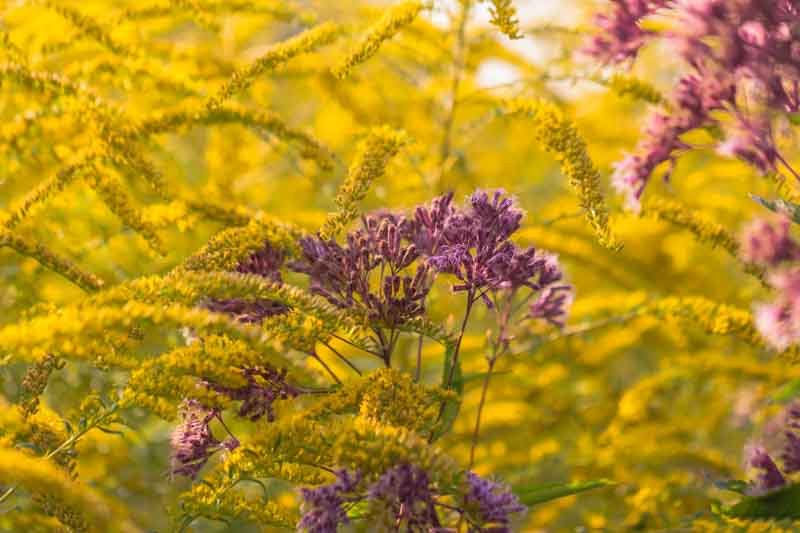
The hills are glowing, highways are bursting with unexpected color, and social media is overflowing with breathtaking landscapes. Across the United States, wild flowers are creating one of the most spectacular natural displays seen in years. What began as scattered reports from hikers and photographers has quickly become a nationwide trend, drawing thousands of visitors eager to witness nature’s colorful comeback.
Experts say favorable weather patterns, improved conservation efforts, and growing awareness about native ecosystems have combined to create remarkable blooming seasons across many regions. From California’s famous valleys to Texas prairies and mountain meadows in Colorado, these vibrant blossoms are transforming ordinary landscapes into unforgettable destinations. As interest continues to surge, wild flowers have become more than just a seasonal attraction—they are now at the center of a growing environmental conversation across America.
Wild Flowers Are Capturing America’s Attention Like Never Before
This year’s blooming season has surprised both scientists and travelers. National parks, wildlife reserves, and local hiking trails are reporting a noticeable increase in visitor numbers as people search for the most colorful landscapes. Viral videos featuring endless fields of blossoms have generated millions of views, making natural flower displays one of the biggest outdoor travel trends of the year.
The popularity of wild flowers extends beyond photography. Families, nature enthusiasts, educators, and environmental organizations are using this moment to encourage appreciation for native plants and local biodiversity. Conservation groups say public interest has helped spark conversations about habitat protection, pollinator health, and sustainable tourism, making this colorful phenomenon far more meaningful than a simple sightseeing opportunity.
Why This Year’s Blooming Season Is So Extraordinary
Experts point to several environmental factors behind the impressive bloom. Above-average rainfall in key regions, moderate spring temperatures, and healthy soil conditions created ideal growing environments for many native species. Unlike previous years when drought limited flowering, 2026 has delivered conditions that allowed seeds lying dormant for years to flourish.
Climate specialists also explain that blooming cycles naturally vary depending on regional weather patterns. While climate change introduces uncertainty for future seasons, temporary favorable conditions can still produce exceptional displays. This year’s widespread bloom demonstrates how delicate ecosystems respond when rainfall, sunlight, and temperature align at just the right time.
Popular Regions Where Wild Flowers Are Creating Stunning Views
California remains one of the country’s most famous destinations for seasonal blooms. Areas such as Antelope Valley, Carrizo Plain, and parts of Anza-Borrego Desert have attracted photographers hoping to capture vibrant carpets of orange poppies, purple lupines, and yellow goldfields stretching across the horizon.
Texas has also become a major hotspot, where bluebonnets continue to attract visitors from around the country. Meanwhile, mountain regions in Colorado, Washington, and Oregon offer breathtaking alpine meadows filled with colorful native blossoms. These diverse landscapes prove that wild flowers can thrive across many climates, creating unique experiences in every corner of the United States.
Native Plants Are Supporting Wildlife and Pollinators
Beyond their visual beauty, wild flowers play a critical role in maintaining healthy ecosystems. Native flowering plants provide nectar and pollen for bees, butterflies, hummingbirds, and numerous beneficial insects that support agriculture and biodiversity. Without these natural food sources, many pollinator populations would continue facing significant challenges.
Environmental organizations emphasize that protecting native flowers benefits entire ecosystems. Healthy pollinator populations improve crop production, strengthen local food systems, and help maintain balanced habitats. As awareness grows, communities are increasingly planting native flower gardens to support wildlife even in urban neighborhoods.
Social Media Has Turned Blooming Fields Into Viral Destinations
Instagram, TikTok, and other visual platforms have transformed seasonal flower viewing into one of America’s fastest-growing travel trends. Travelers are sharing drone footage, hiking adventures, and sunrise photography featuring colorful meadows that quickly attract millions of views. These stunning visuals inspire even more visitors to explore nearby natural areas.
While increased exposure benefits local tourism, park officials also encourage responsible behavior. Visitors are reminded to stay on designated trails, avoid trampling sensitive vegetation, and respect wildlife habitats. Preserving these fragile landscapes ensures future generations can continue enjoying spectacular blooming seasons.
Conservation Efforts Are Helping Wild Flowers Thrive
Across the United States, conservation programs have expanded efforts to restore native grasslands and remove invasive plant species. Government agencies, nonprofit organizations, and volunteers are working together to improve habitats that naturally support diverse flowering plants. These long-term restoration projects are producing visible results in many protected areas.
Many communities are also replacing traditional lawns with native landscaping designed to conserve water while supporting local wildlife. This movement has encouraged homeowners, schools, and businesses to plant regional species that require less maintenance and provide year-round ecological benefits. Such initiatives strengthen biodiversity while creating more resilient landscapes.
Wild Flowers Are Boosting Local Tourism and Small Businesses
Communities located near major blooming destinations often experience a noticeable increase in tourism revenue during peak flowering periods. Hotels, restaurants, local shops, guided tour companies, and outdoor recreation businesses benefit from visitors traveling specifically to experience nature’s colorful display. Seasonal festivals celebrating native blooms have also become increasingly popular.
Economic experts suggest nature-based tourism continues growing as travelers seek affordable outdoor experiences instead of crowded attractions. The popularity of wild flowers demonstrates how environmental conservation and local economies can successfully support one another. Protecting natural habitats often creates sustainable opportunities for businesses while preserving valuable ecosystems.
Gardeners Are Bringing Native Flowers Into Their Own Backyards
Inspired by spectacular public displays, many homeowners are choosing native species for residential landscaping. Native flowers generally require less irrigation, fewer chemical treatments, and reduced maintenance compared to non-native ornamental plants. This makes them an attractive option for environmentally conscious gardeners across the country.
Garden centers have reported increased demand for native seeds and pollinator-friendly plants. Educational workshops teaching sustainable gardening practices continue attracting participants interested in creating habitats for butterflies and bees. As a result, neighborhoods across America are becoming more colorful while supporting healthier local ecosystems.
Quick Facts About America’s Wild Flowers
The United States is home to more than 18,000 species of native flowering plants, making it one of the world’s richest countries for botanical diversity. Many bloom for only a few weeks each year, making peak flowering seasons especially valuable for researchers and nature enthusiasts alike.
Several iconic species have become regional symbols. California’s golden poppy represents resilience and beauty, while Texas bluebonnets attract millions of visitors annually. Other favorites include Indian paintbrush, black-eyed Susan, purple coneflower, lupine, blanket flower, and columbine, each contributing unique colors to America’s diverse natural landscapes.
What the Future Looks Like for Wild Flowers
Scientists believe future blooming seasons will depend heavily on weather patterns, conservation investments, and public participation in habitat protection. Continued restoration of native ecosystems could increase flowering opportunities in many regions despite environmental challenges. Researchers are also expanding monitoring programs to better understand long-term changes affecting native plant populations.
Technology will likely play a growing role in protecting these landscapes. Satellite monitoring, citizen science apps, and artificial intelligence are helping researchers track bloom timing, species distribution, and habitat health more accurately than ever before. Combined with stronger conservation policies, these innovations may help preserve spectacular flowering seasons for decades to come.
Why Wild Flowers Continue to Inspire Millions
The growing fascination with wild flowers reflects something deeper than colorful landscapes. These blooms remind people of nature’s resilience, the importance of protecting biodiversity, and the simple joy of exploring the outdoors. In an increasingly digital world, moments spent among vibrant meadows offer a rare opportunity to reconnect with the environment.
As more Americans embrace outdoor adventures and sustainable living, the popularity of wild flowers is expected to continue rising. Whether you’re planning a scenic road trip, planting a pollinator garden, or simply enjoying a local hiking trail, these remarkable blooms offer a powerful reminder that some of nature’s greatest treasures appear when we take the time to look closely.
If you enjoyed this article, share it with fellow nature lovers, bookmark it for your next outdoor adventure, and explore the incredible wild flowers blooming across the United States before this spectacular season comes to an end.
You may also read
https://docs.google.com/document/d/1mz6TeXEFW0mKKkzi97atwKIq1VrMXgCMhYaxppZWWK0/edit?usp=sharing