

Water mitigation has always mattered, but 2025 has made it feel unavoidable. When a storm rolls through, the damage is not just about ruined drywall or soaked carpet. It is about lost time, interrupted routines, emergency contractors, and the rising cost of putting a home back together. FEMA’s National Risk Index now helps communities measure exposure to 18 natural hazards, including flooding, and that broader risk picture is pushing more homeowners to think beyond cleanup.
The bigger shift is psychological as much as practical. People are no longer asking only how to fix water damage. They are asking how to avoid the first flood, leak, or burst pipe. That is where water mitigation has moved from a reactive service into a preventive strategy. The smartest homeowners are treating it like maintenance, not panic, because once water gets behind walls or under floors, the clock starts ticking toward mold, rot, and larger claims.
The numbers behind the surge
The scale of the problem is impossible to miss. NOAA’s disaster database shows 403 U.S. weather and climate disasters costing at least $1 billion each from 1980 through 2024. In 2024, the total damage from those events alone reached $182.7 billion, and severe storms have produced the highest number of billion-dollar events in NOAA’s summary statistics. That means the risk is not isolated to one coast or one season. It is now part of the national home-repair conversation.
Insurance data adds another layer. The Insurance Information Institute says about one in 67 insured homes has a property damage claim caused by water damage or freezing. Its flood-insurance facts page also notes that standard homeowners and renters policies generally do not cover flood damage, and a 2023 consumer survey found 22 percent of homeowners said they were at risk of flood while 78 percent of those at-risk households had bought flood insurance. That gap between risk and protection is one reason water mitigation is becoming a mainstream search term.
Why the damage is getting harder to control
Water is expensive because it moves fast and hides well. A leak that looks minor on day one can become a mold problem by day three and a structural repair by day ten. EPA guidance says leak detection and flow-monitoring devices can identify leaks or irregular water use, and that installing them can avoid or mitigate water waste and damage caused by leaks. Once moisture takes hold, the cleanup gets more complicated, especially if the space stays damp long enough for mold to spread.
That is why water mitigation is now tied closely to moisture control, mold prevention, and faster emergency response. A burst pipe no longer means only a wet floor; it can mean damaged insulation, compromised electrical systems, and insurance delays if the loss is not documented quickly. EPA’s mold guidance stresses the importance of cleanup and prevention, which matches what restoration crews see in real life: the longer the water sits, the larger the bill becomes.
How homeowners and insurers are changing strategy
The old strategy was simple: wait for damage, then call for help. That model is fading. More homeowners are now comparing leak alarms, automatic shutoff valves, sump-pump backups, and moisture sensors before they ever need them. The insurance industry is paying attention too. In a 2025 III report, water shutoff and leak detection systems were specifically identified as tools that reduce water damage from home plumbing leaks. That is a strong signal that prevention is becoming part of risk pricing, not just home maintenance.
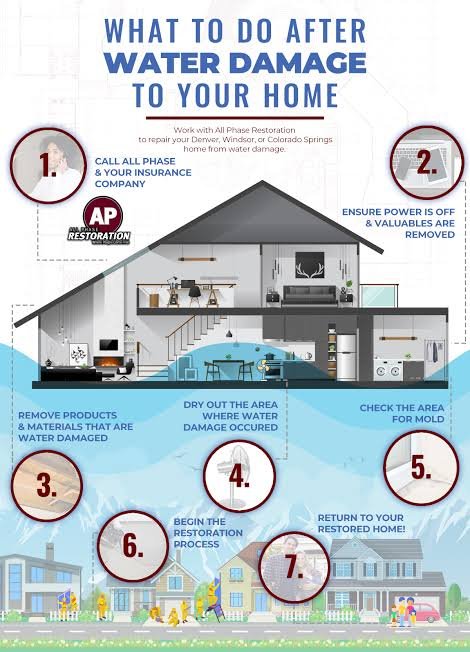
This matters because prevention is cheaper than recovery. A home that catches a leak early may avoid demolition, temporary relocation, and long dry-out times. It may also avoid some of the stress that comes with filing a claim after the damage has already spread. In practical terms, water mitigation is turning into a layered approach: inspect, detect, shut off, dry out, and restore before the problem becomes a larger disaster. That is a big change from the old “fix it later” mindset.
Smart leak detection is reshaping the industry
Technology is changing the story faster than many people realize. EPA and Energy Department materials both point to leak detection and monitoring systems as a practical way to catch problems early, while water utilities have used sensors and acoustic tools to find leaks before they become costly failures. In homes, the same idea is catching on through connected devices that watch for unusual flow, standing water, or sudden shutoff needs. The result is a more data-driven version of water mitigation.
For restoration companies, this shift is important. The best water mitigation work used to begin after the water arrived. Now it increasingly begins with prevention, monitoring, and faster alerts. That means future winners in this space may be the businesses that combine emergency response with smart-home integration, insurer partnerships, and better customer education. Taken together, the trend points toward a market where mitigation is less about repair alone and more about continuous protection.
What water mitigation in the U.S. may look like next
The next phase of water mitigation will likely be more personal, more local, and more automatic. Homes in flood-prone regions will probably rely more on risk maps, flood insurance reviews, and sensors that can shut off water before a small leak becomes a full-loss event. Because FEMA’s risk tools already help identify hazard exposure and NOAA keeps showing how costly U.S. disasters can be, prevention is likely to move even closer to the center of homeownership decisions. That is the clearest prediction from the data.
There is also a cultural shift underway. Water mitigation is no longer something people only think about after a hurricane or a burst pipe. It is becoming part of how Americans plan for climate pressure, insurance costs, and home value protection. The message is simple: wait too long, and water wins. Act early, and the damage can often be limited, the claim can be smaller, and the recovery can move faster. Review your risk, upgrade your leak protection, and treat water mitigation as a priority before the next warning siren sounds.
You may also read
https://docs.google.com/document/d/1YYCzuedp5l-_WJ1pdRhd41zR-Ow2AD-ckq5IRLZzgGE/edit?usp=sharing